
Urgent Care vs ER for Orthopaedic Injuries
When an injury happens, your brain usually goes straight to one question: "Where do we go?"
If the problem is an orthopaedic injury, meaning a new issue involving bones, joints, muscles, tendons, or ligaments, there are often two options people consider: urgent care or the emergency room.
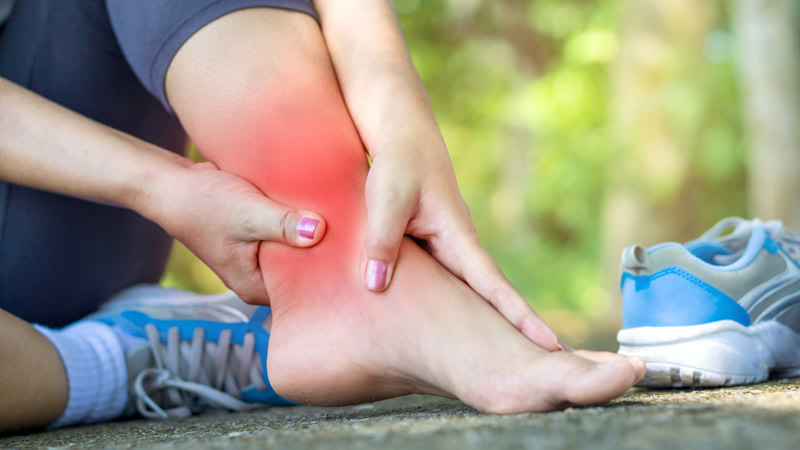 This guide is designed to make that decision simple. No medical jargon. No guessing. Just clear next steps, so you can protect the injury and keep moving forward.
Feel free to jump to our Quick Decision Guide section.
Columbia Orthopaedic Group has cared for Mid-Missouri for more than 60 years, and a big part of great care is helping people get to the right place at the right time.
First, what counts as an orthopaedic injury?
Think: "something hurts or looks wrong" in your:
- Ankle, foot, knee, hip
- Wrist, hand, elbow, shoulder
- Back or neck (especially after a fall)
- Muscles and tendons (strain, pulled muscle)
- Ligaments (sprain)
Most falls, sports mishaps, and weekend "oops" moments fall into this bucket.
The simplest rule: choose the place that matches the risk
Here's the easiest way to decide:
- If you think it is dangerous or life-threatening, go to the ER.
- If you think it is a bone, joint, or muscle problem, and you are stable, orthopaedic urgent care is often the right first stop.
Columbia Orthopaedic Group's Orthopaedic Urgent Care Hub (OUCH) is a walk-in clinic built for new bone, joint, and muscle injuries, including sprains, strains, possible fractures, swollen joints, sports injuries, work injuries, and possible dislocations.
Columbia Orthopaedic Group also lists examples of when the ER is the better choice, including animal bites, burns, cuts and other wounds, rib injuries, head injuries, and fractures with bone protrusion.
Go to the ER now if any of these are true
If any of the items below are happening, skip the "maybe" and choose emergency care.
1) The bone is through the skin, or the limb looks badly deformed
Mayo Clinic includes emergency warning signs for fractures such as heavy bleeding, severe pain with movement, limb or joint deformity, bone breaking the skin, and numbness or discoloration in fingers or toes.
2) You have numbness, the hand/foot looks pale or discolored, or you cannot move it normally
AAOS notes that severe pain, deformity, or numb or pale fingers may warrant seeking urgent care or the emergency room right away.
3) There is heavy bleeding, a deep wound, or a serious head, neck, or back concern
If there is heavy bleeding or you suspect a neck, head, or back injury after a fall, emergency evaluation is the safest choice.
4) You have chest pain, trouble breathing, confusion, fainting, or you are not acting like yourself
Those are emergency symptoms, even if an injury is also present.
If none of those fit, keep going.
Choose orthopaedic urgent care when the injury is orthopaedic, and you are stable
If the issue is clearly bones, joints, or muscles, and you are not dealing with the ER red flags above, orthopaedic urgent care is often the most direct path.
OUCH is designed for exactly this: you walk in and get seen that day for orthopaedic injuries.
Common reasons people choose orthopaedic urgent care
- Sprains and strains
- Swollen joints after a fall or twist
- Possible fractures (that are not open, and you are stable)
- Sports injuries
- Work-related orthopaedic injuries
- Possible dislocations
Why this can be the smarter first stop
When you are hurt, you want three things:
- Is it serious?
- What do I do next?
- How do I heal well?
Orthopaedic urgent care is built to answer those questions quickly for orthopaedic injuries, so you are not stuck guessing at home or waiting longer than you need to.
What to do in the first hour, before you go anywhere
Here is the "explain it like I'm 5" plan.
Step 1: Stop and protect it
If it hurts, do not keep testing it. Every "let me see if I can walk on it" is another chance to irritate the injury.
Step 2: Calm the swelling
Many reputable clinical education sources describe early self-care with rest, ice, compression, and elevation (often called RICE).
- Rest: stop the activity.
- Ice: short sessions can help early pain and swelling. Mayo Clinic commonly recommends 15 to 20 minutes at a time with a barrier between ice and skin.
- Compression: a gentle wrap can help swelling.
- Elevation: prop it up when you can.
Step 3: Check circulation and sensation
Can you wiggle toes or fingers? Any numbness or color change? If yes, that pushes you toward urgent evaluation.
What to expect at Columbia Orthopaedic Group's Orthopaedic Urgent Care Hub (OUCH)
If you come to OUCH, the goal is a clear care pathway, not confusion.
Columbia Orthopaedic Group lists OUCH as a walk-in clinic and provides posted hours and a direct contact number.
OUCH walk-in hours:
- Monday to Friday: 7am to 6pm
- Saturday: 8am to 12pm
Contact and location:
- Phone: (573) 443-2402
- Address: 1 South Keene Street, Columbia, Missouri 65201
You can expect:
- A focused orthopaedic evaluation
- Guidance on next steps (brace, boot, activity limits, follow-up)
- Clear direction on when you should escalate care
- Return to work guidance
Quick decision guide
If you only remember one section, remember this.
Go to orthopaedic urgent care when:
- The injury is clearly a bone, joint, or muscle issue
- You are stable
- There is no heavy bleeding
- There is no bone through the skin
- There is no severe head injury symptom
- You do not have numbness or a cold, pale, or discolored hand/foot
Go to the ER when:
- Bone is protruding, or the limb is badly deformed
- Heavy bleeding or deep wounds are present
- You suspect a head, neck, or back injury after a fall
- There is numbness, discoloration, or loss of movement in fingers or toes
- You have chest pain, trouble breathing, confusion, fainting, or other severe symptoms
FAQ: urgent care vs ER for orthopaedic injuries
Is urgent care the same as orthopaedic urgent care?
Not always. Orthopaedic urgent care is designed explicitly for bone, joint, and muscle injuries, and the care pathway is built around orthopaedic evaluation and next steps. Orthopaedic urgent care is also staffed by specifically trained orthopaedic providers, and our orthopaedic physicians are readily available to assist. OUCH is Columbia Orthopaedic Group's orthopaedic urgent care hub.
What injuries should never wait?
If the injury is very painful with obvious deformity, or you have numbness or pale fingers, AAOS recommends urgent evaluation at an urgent care center or emergency room.
What if I am not sure it is broken?
That is common. Swelling, bruising, and pain do not always tell the whole story. If you cannot use the limb normally, if pain is worsening, or if it is not improving, getting evaluated is the smart move. Even without a break, tendon and ligament disruption can occur and requires evaluation.
What if I choose urgent care and then I need the ER?
That happens sometimes, and it is okay. The OUCH clinic will guide you to the next level of care if needed. What matters is getting started on the correct pathway.
Moving you forward
Orthopaedic injuries are stressful, especially when they interrupt work, sports, family plans, or a normal routine, but the next step does not have to be complicated.
If your injury is bone, joint, or muscle-related, and you do not have emergency warning signs, choose a clear path forward with orthopaedic urgent care.
Columbia Orthopaedic Group Orthopaedic Urgent Care Hub (OUCH): https://www.columbiaorthogroup.com/orthopaedic-urgent-care-hub/
Columbia Orthopaedic Group has served Mid-Missouri for more than 60 years, with a focus on helping patients return to active lifestyles and maintain mobility.
This article is for general education and is not a diagnosis. For emergencies, call 911.
Sources
- Columbia Orthopaedic Group, Orthopaedic Urgent Care Hub (OUCH): https://www.columbiaorthogroup.com/orthopaedic-urgent-care-hub/
- Columbia Orthopaedic Group, About (60+ years): https://www.columbiaorthogroup.com/about/
- Mayo Clinic, Fractures (broken bones) first aid: https://www.mayoclinic.org/first-aid/first-aid-fractures/basics/art-20056641
- AAOS OrthoInfo, Distal radius fractures (broken wrist), when to seek urgent evaluation: https://orthoinfo.aaos.org/en/diseases--conditions/distal-radius-fractures-broken-wrist/
- Mayo Clinic, Severe bleeding first aid: https://www.mayoclinic.org/first-aid/first-aid-severe-bleeding/basics/art-20056661
- Mayo Clinic, Numbness, when to see a doctor: https://www.mayoclinic.org/symptoms/numbness/basics/when-to-see-doctor/sym-20050938